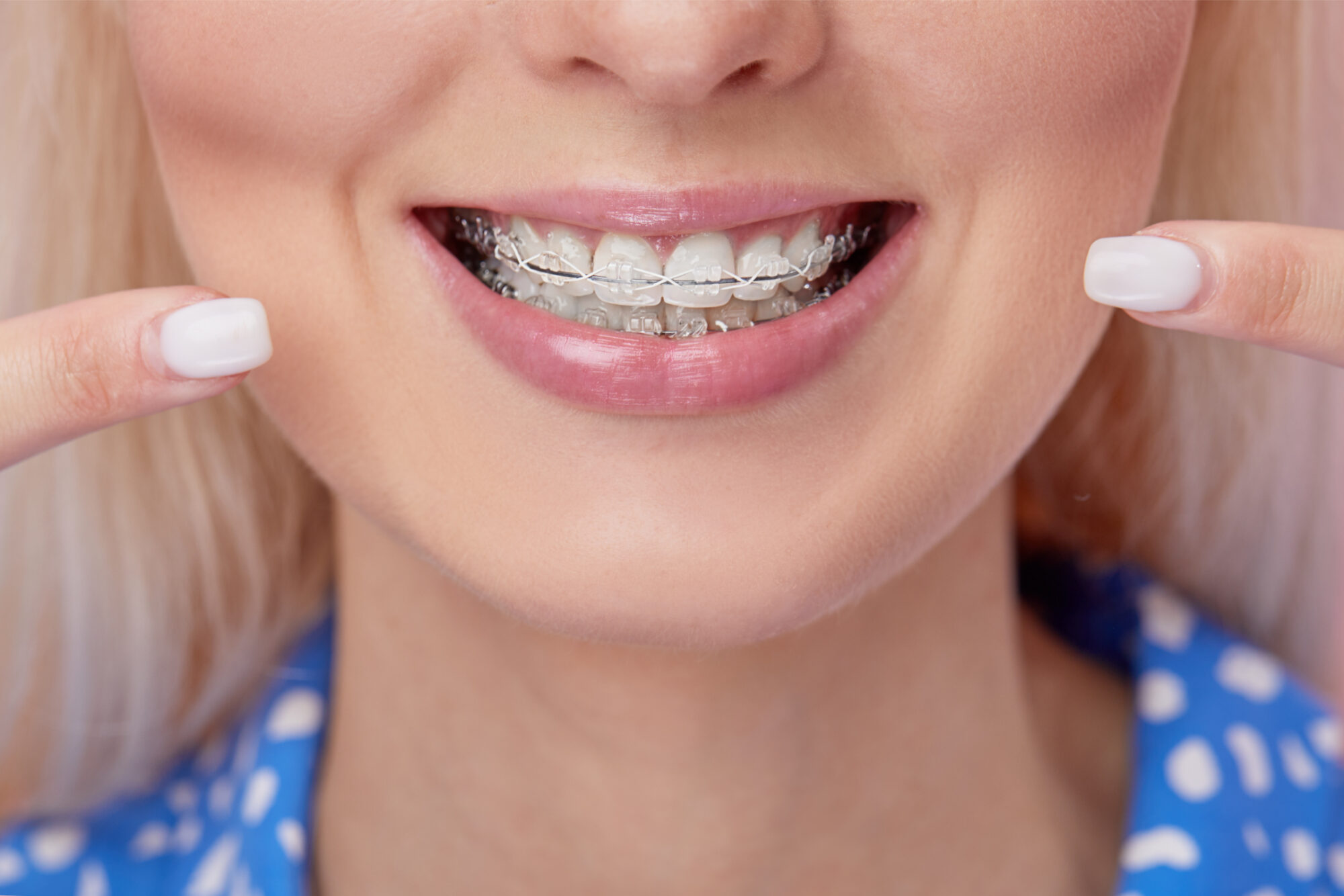
Starting orthodontic treatment used to mean biting into a tray of cold, sticky putty and hoping it would not trigger your gag reflex. For kids, teens, and adults alike, that experience was often one of the least favorite parts of getting braces. Today, digital impressions captured through quick 3-D scans have replaced that process. Your Orlando orthodontist, Dr. Kary Marris, uses this scanning technology at Marris Orthodontics to create precise custom plans without the mess, discomfort, or anxiety that traditional molds often cause.
What Are Digital Impressions in Orthodontics?
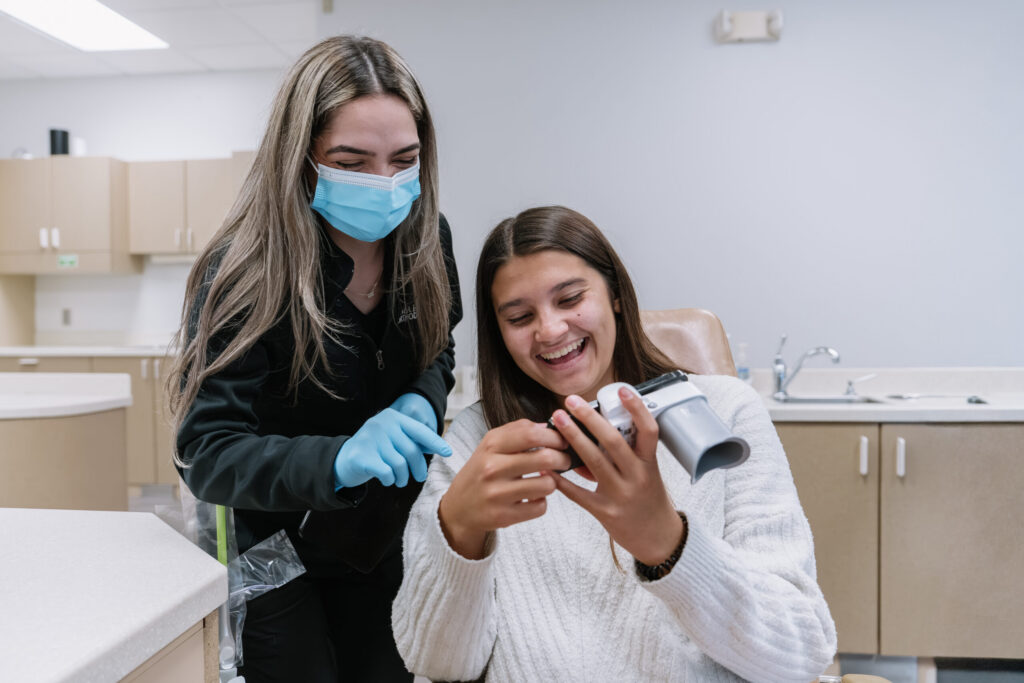
Digital impressions in orthodontics are detailed 3-D models of your teeth and gums, captured in minutes by a handheld intraoral scanner. The wand-like device glides over your smile, capturing thousands of images per second that combine into a precise digital map of your mouth. Think of it as a high-tech camera wand that moves smoothly around your teeth, replacing messy putty molds entirely.
At Marris Orthodontics in Orlando, this technology replaces the traditional putty-based molds orthodontists relied on for decades. Those older methods used alginate or PVS materials that kids, teens, and adults had to bite into and hold still while the material hardened. Many people found the process uncomfortable, messy, or unpleasant.
The scanner works differently. It never requires you to bite down on anything. There is no material filling your mouth or creeping toward your throat.
You simply breathe normally while the wand moves around your teeth. Once the scan finishes, your orthodontist can review the 3-D model right away on a screen. The digital file can then be used to support a custom treatment plan for options like Invisalign, LightForce clear braces, or other appliances listed on our treatment options page. No waiting for molds to ship. No worrying about impressions getting damaged in transit.
Digital impressions help make visits faster and more comfortable, which is especially helpful for busy Orlando families and for patients who may feel nervous about starting treatment.
How the Quick 3-D Scanning Process Works
The scanning process follows a simple sequence that usually takes just a few minutes from start to finish.
- Preparation: You sit back in the chair while your orthodontist or team member prepares the scanner. No numbing, no special rinses, and nothing uncomfortable.
- Scanning begins: The clinician places a small wand-like scanner in your mouth. It is compact and designed to move comfortably around your teeth.
- Capturing images: As the scanner glides over your teeth and gums, images appear in real time on a nearby screen. You can actually watch your smile take shape digitally as the scan progresses.
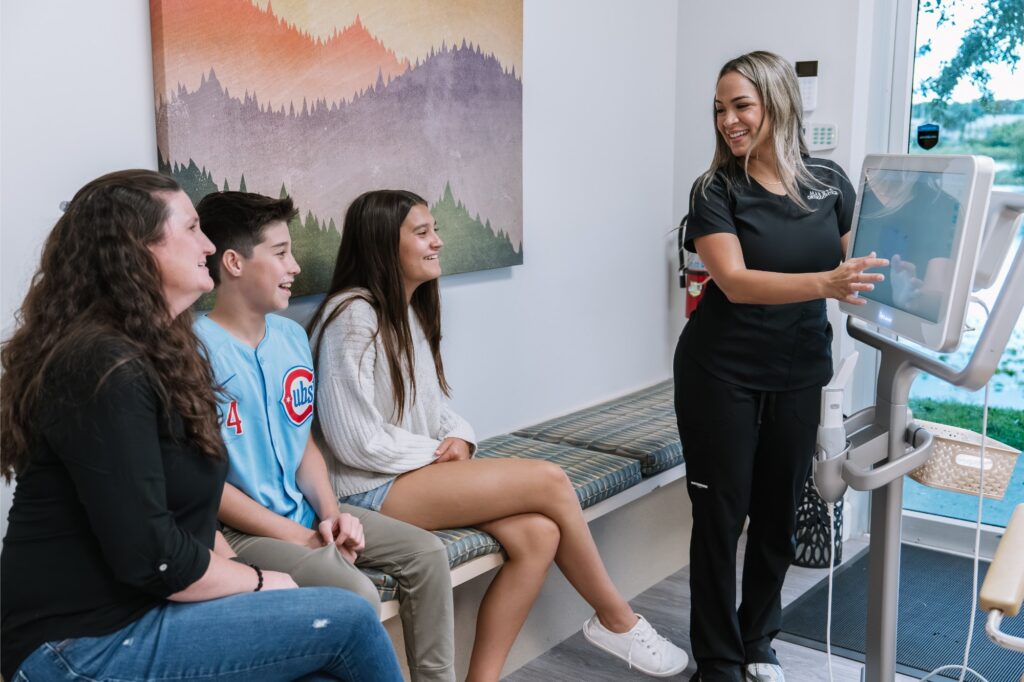
- Model completion: Within a few minutes, a full 3-D model appears on screen. You can see your teeth from different angles, which helps you better understand your bite and alignment.
- Custom plan design: Your orthodontist uses this digital blueprint to design your treatment plan, whether that means LightForce clear braces, Invisalign, or another approach.
The whole experience feels nothing like traditional impressions. You can breathe normally the entire time and pause if needed. If a section needs rescanning, it takes seconds rather than starting over with fresh putty.
Why Are Digital Impressions More Comfortable Than Traditional Molds?
The comfort benefits start during the scan itself and can continue throughout treatment.
How Do 3-D Scans Reduce Gagging and Discomfort?
Traditional molds meant a mouth full of cold, thick material with an unpleasant taste. Kids and adults with sensitive gag reflexes often dreaded that part of the process. Digital impressions work differently. The scanner wand stays near your teeth without pushing material toward your throat, so gagging is much less likely to be an issue.
No putty means no mess, no bad taste, and no sitting still while material hardens. Rescans take seconds if your orthodontist needs another look at a specific area, so there is no need to repeat the entire process from scratch.
Shorter scan times also help. Most scans wrap up quickly, which means less time in the chair and more time getting back to your day. Busy Orlando families notice the difference right away. Patients preparing for a free consultation or virtual consult often appreciate how simple this part of the process feels.
Why Does a Better Fit Mean More Comfort Throughout Treatment?
3-D scans produce highly accurate digital impressions, and that accuracy can help throughout treatment. When braces, aligners, or other appliances are designed from detailed scan data, your orthodontist has a more precise starting point.
At Marris Orthodontics, appliances designed from accurate digital records can help reduce the need for avoidable adjustments and make treatment feel more efficient over time. That is a real benefit for families managing busy calendars.
LightForce clear braces are a good example of this. Each bracket is designed using digital planning so treatment can be personalized more precisely from the start.
Digital Impressions vs. Traditional Molds: How Do They Compare?
| Factor | Quick 3-D Scans | Traditional Molds |
|---|---|---|
| Comfort | Small scanner glides over teeth | Requires biting into thick putty |
| Gag reflex | Less likely to be triggered | Can be uncomfortable for many people |
| Accuracy | Highly detailed digital model | Can distort during setting or removal |
| Time in chair | Usually just a few minutes | Longer process plus setting time |
| Taste/texture | None | Can have an unpleasant taste and texture |
| Lab turnaround | Digital files can be sent immediately | Physical molds must be shipped |
| Redo process | Quick rescan if needed | Often requires starting over |
The accuracy difference matters because traditional molds can shift slightly as the material sets or is removed from your mouth. Even small distortions can affect how appliances are designed.
Quick 3-D scans capture your teeth in a highly detailed digital model. When your orthodontist designs a custom plan from accurate scan data, every bracket placement and aligner stage starts from a more precise foundation.
Does Digital Scanning Affect the Cost of Braces?
Quick 3-D scans are typically part of the overall orthodontic planning process and are generally included in treatment rather than billed as a separate add-on. Insurance coverage depends on your specific plan and the type of treatment being provided.
Digital scanning can also make treatment planning more efficient over time. Greater accuracy at the beginning may reduce avoidable mid-treatment adjustments and help streamline visits.
The Marris Orthodontics team is happy to walk through cost details before treatment begins so there are no surprises. You can also visit our free consultation page to get started.
Who Benefits from Digital Impressions?
Kids, teens, and adults receiving orthodontic treatment can all benefit from digital scanning technology. Dr. Marris uses 3-D scans at Marris Orthodontics in Orlando to support a wide range of treatment plans.
- Children starting early treatment: Young kids often have the hardest time with traditional molds. Digital impressions can make that first orthodontic experience more comfortable.
- Teens getting braces or Invisalign: Busy schedules and social awareness make quick, comfortable visits especially valuable during these years.
- Adults returning to treatment: Some adults delayed orthodontic care partly because of negative past experiences with dental impressions. Digital scanning helps remove that barrier.
- Anyone with a strong gag reflex: If you have struggled with dental impressions before, digital scanning can make the experience much easier.
The technology can support many orthodontic treatments, including Invisalign, LightForce clear braces, and other options used in our office.
Frequently Asked Questions About Digital Impressions and Braces
Do 3-D scans hurt?
Not at all. The scanner wand does not apply pressure to your teeth, and most patients describe the experience as quick and comfortable.
How long does a 3-D scan take?
Most scans are completed in just a few minutes, which is significantly faster than traditional molds.
Are digital impressions more accurate than molds?
Digital scans provide a highly detailed model of your teeth and reduce the distortion that can happen with traditional impression materials.
Can 3-D scans be used for Invisalign and braces?
Yes. Digital scans can be used to plan many orthodontic treatments, including Invisalign and braces.
What if I have a strong gag reflex?
There is no material filling your mouth or approaching your throat. The small scanner wand stays near your teeth while you breathe normally.
Will I need multiple scans during treatment?
Periodic scans may be used to help your orthodontist track progress and confirm treatment stays on course. Combined with DentalMonitoring, digital records can help support efficient follow-up throughout treatment.
Digital impressions have made orthodontic visits faster and more comfortable for kids, teens, and adults across Orlando. If you have been putting off treatment because of past experiences with putty molds, or if you are exploring options for your child, a quick 3-D scan is a great place to start. Book a free smile check to see how the process works in person.